
Event Promotion SEO: 12 Easy Wins to Get Your Events Found
Someone in your city is typing “what’s on this weekend” right now, into Google, ChatGPT or Perplexity. Most promoters never show up in those answers, because their line-up lives in an Instagram post and a flyer image that search engines can’t read. Here are 12 event promotion SEO wins for club nights, gigs and festivals, and you can do most of them yourself in WordPress.
In this guide
The short version
- Give every event its own page on your own website. Social posts and ticket links alone aren’t enough.
- Add Event schema with the date, venue, line-up and ticket link, so Google can show your event in its event listings.
- Write the key details in plain text: who’s playing, where, when, how much and how to get tickets. Search engines can’t reliably read your flyer.
- Keep one permanent page for each recurring night or festival, and reuse it every year.
- Start six to eight weeks out. New pages need time to be found and trusted.
Why promoters ignore SEO, and why that’s your opportunity
Most promoters put everything into social and leave event promotion SEO until last, if they do it at all. The flyer goes on Instagram, the event goes on Facebook, the tickets go on RA, DICE or Skiddle, and the website (if there is one) gets updated last. That works for people who already follow you. It does nothing for the people who don’t know you exist yet.
Those people search. They type an artist’s name and their city, or “house music Plymouth this weekend”, or “things to do in Bristol Saturday night”. Search for those terms and you’ll usually find ticketing platforms, listings sites and a few out-of-date pages. Event promotion SEO is one of the least competitive corners of search, and a promoter with well-built event pages can win it.
The promoters who win event search don’t have the biggest budgets. They’re the ones who gave Google and AI something clear to read.
The good news: event promotion SEO doesn’t need a developer. If you can log in to WordPress and use an SEO plugin like Rank Math, you can do all of it.
Event promotion SEO wins: get found in Google
1. Give every event its own page
One events page with a list of dates isn’t enough. Each event needs its own URL with its own title, description and details. A dedicated page can rank for its own searches, like “artist name Plymouth” or “soulful house all-dayer”, and gives you somewhere to send people that you control.
2. Keep a permanent page for recurring nights and festivals
If you run a monthly night or an annual festival, create one evergreen page such as /events/your-night-name/ or /festival/, not /festival-2026/. Link each date from it and update it every year. It keeps the links and authority it earned last time instead of starting from zero.
3. Put the artist, venue and town in your page titles
People search for names and places, not clever event names. A title like “Artist Name at The Venue, Plymouth | Saturday 14 November” beats “Summer Sessions Vol. 3” every time. Use the same pattern in your meta description, and add the price or “tickets on sale now” to earn the click.
4. Add Event schema
Event schema is code that tells Google exactly what your event is: name, date, venue, line-up, price and ticket link. It’s what lets Google show your event in its event listings and “events near me” results. In Rank Math, choose the Event schema type on each event page. If you use The Events Calendar plugin, it adds Event schema for you. Then check it with Google’s Rich Results Test.
Here’s what the core of good Event schema looks like:
{
  "@context": "https://schema.org",
  "@type": "MusicEvent",
  "name": "Artist Name at The Venue",
  "startDate": "2026-11-14T22:00+00:00",
  "endDate": "2026-11-15T03:00+00:00",
  "eventStatus": "https://schema.org/EventScheduled",
  "eventAttendanceMode": "https://schema.org/OfflineEventAttendanceMode",
  "location": {
    "@type": "Place",
    "name": "The Venue",
    "address": "1 Example Street, Plymouth, UK"
  },
  "performer": { "@type": "Person", "name": "Artist Name" },
  "offers": {
    "@type": "Offer",
    "url": "https://www.yoursite.co.uk/tickets/",
    "price": "25.00",
    "priceCurrency": "GBP",
    "availability": "https://schema.org/InStock"
  }
}
If an event is postponed or cancelled, don’t delete the page. Change eventStatus to EventPostponed or EventCancelled and say so clearly at the top of the page.
5. List the event everywhere Google looks
Google builds its event listings from sites with good event markup, including the big ticketing and listings platforms. Make sure every event is on the platforms your crowd uses, such as RA, DICE, Skiddle or Eventbrite, plus your local what’s-on sites. Use the same event name, date and venue everywhere, and link back to your own event page.
6. Add the event to your Google Business Profile
If you have a Google Business Profile for your brand or venue, publish an Event post for each date with a ticket link. It shows on your profile in Google Search and Maps, right where local people are looking.
AEO wins: become the answer
Answer Engine Optimisation is about being the source Google’s AI Overviews and voice assistants quote. If you’re new to it, start with our guide to what AEO is.
7. Open every event page with a direct answer
The first paragraph should answer what a fan would ask, in one or two sentences: “Artist Name plays The Venue in Plymouth on Saturday 14 November 2026, from 10pm to 3am. Tickets are £25 and on sale now.” That’s the sentence an AI engine can lift and quote.
8. Put the line-up and details in text, not just the flyer
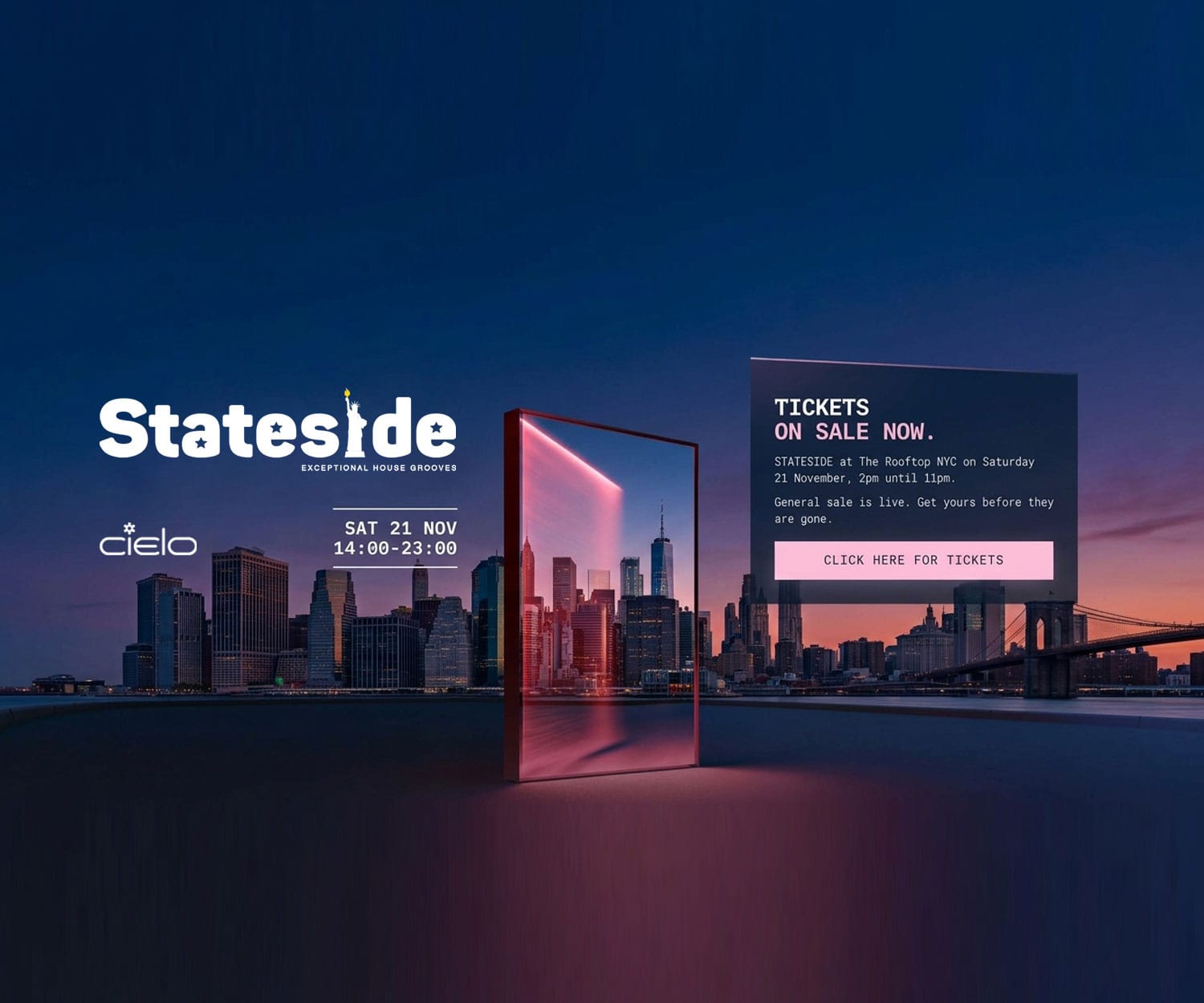
Your flyer looks great, but search engines and AI models can’t reliably read text inside an image. Repeat everything as plain text: line-up and set times, venue and address, door times, prices, age policy and how to get there. Give the flyer proper alt text too, such as “Flyer for Artist Name at The Venue, Plymouth, 14 November 2026”.
9. Add an event FAQ
Add five or six questions to each event page: what time it finishes, whether there’s a cloakroom, the nearest parking, whether tickets are available on the door, the age limit and the refund policy. Use your SEO plugin’s FAQ block so the answers are marked up with schema too. These are exactly the questions people ask Google and AI the day before an event.
GEO wins: get recommended by AI
Generative Engine Optimisation is about getting ChatGPT, Perplexity and Gemini to mention you when someone asks for recommendations, like “best house music nights in the South West”. For the full picture, read AEO vs GEO vs SEO.
10. Make sure AI crawlers can reach your site
Check yoursite.co.uk/robots.txt and make sure you aren’t blocking OAI-SearchBot (ChatGPT search) or PerplexityBot. Security plugins and Cloudflare’s bot settings can block them without you knowing. If they can’t read your event pages, they can’t recommend your events.
11. Get talked about beyond your own site
AI engines trust what other people say about you more than what you say about yourself. For every event:
- Send a short press release with the line-up and details to local news sites, what’s-on guides and music blogs.
- Ask the artists to share their own listing and link to your event page.
- Get reviews and photos up after each event, on your Google Business Profile and the platforms you sell tickets through.
- Share it where your crowd talks, such as relevant Reddit communities, Facebook groups and forums, without spamming.
12. Keep past events live as an archive
When an event finishes, don’t delete the page. Add a short recap, photos and a mix if you have one, then link to the next date. For event promotion SEO, your archive is an asset. It shows Google and AI that you’re an established promoter with a track record, and people still search for past events by artist name. If you’d rather tidy up, redirect old date pages to your permanent series page.
Your event promotion SEO timeline
| When | What to do |
|---|---|
| 8 weeks out | Publish the event page with a direct-answer intro, line-up in text and Event schema. Link it from your permanent series page. Request indexing in Google Search Console. |
| 6 weeks out | List it on your ticketing and listings platforms with matching details. Publish a Google Business Profile event post. Check robots.txt for blocked AI crawlers. |
| 4 weeks out | Send the press release to local news, what’s-on guides and music blogs. Ask the artists to share and link to your page. |
| Final 2 weeks | Add the FAQ and set times. Keep ticket availability up to date in your schema and on the page. |
| After the event | Add a recap and photos, ask for reviews and link to the next date. Never delete the page. |
Event promotion SEO FAQ
Do I need a website if I sell tickets on RA, DICE or Skiddle?
Yes. Ticketing platforms are great for sales, but they own the page, the ranking and the customer data. Your own event pages build search visibility for your brand that keeps growing with every event.
How far in advance should I start event promotion SEO?
Six to eight weeks before the event. New pages need time to be crawled, indexed and trusted by Google and AI engines, so a page published the week before rarely ranks in time.
What is Event schema?
Event schema is structured data that tells search engines the name, date, venue, line-up, price and ticket link for your event. It helps Google show your event in its event listings and gives AI engines facts they can quote.
Should I delete event pages after the event?
No. Keep them live with a recap, photos and a link to your next event, or redirect them to your permanent series page. Deleting them throws away the links and rankings they’ve earned.
How do I get my events recommended by ChatGPT?
Make sure OAI-SearchBot isn’t blocked in your robots.txt, write your event details clearly in text on your own site, and get mentioned on trusted local news, listings and music sites. AI engines recommend events they can find, understand and verify.
Do I need a developer to do event promotion SEO on WordPress?
No. Event pages, titles, Event schema, FAQs and internal links can all be done with an SEO plugin like Rank Math, or an events plugin like The Events Calendar.
Want your next event to be found?
WEBKANDY offers a free event SEO audit for promoters, labels and music brands, covering your event pages, schema, listings and AI crawler access, with a prioritised fix list you can work through before your next on-sale.
